

Activities
Activities
Developing capability, knowledge and frameworks for the underwater operating environment.
The Underwater Centre of Excellence (Underwater COE) will support NATO's effort to understand, innovate and strengthen operations in the underwater operating environment.
By monitoring the latest trends, detecting technological breakthroughs and leveraging global underwater expertise and capabilities, the Centre will identify Allied capability gaps and maximise the benefits of innovation for NATO.
Its work will be structured around three Lines of Effort (LoEs), taking into account the work of existing COEs and other relevant NATO-related entities.
Programme of Work
The Programme of Work (POW) outlines the Centre's planned activities for the year ahead, aligned with NATO's four COE pillars. It is approved by the Steering Committee and reflects both annual priorities and long-term objectives.
Underwater Capability Development
Supporting NATO and Allies in developing and validating underwater operational capabilities, from requirements and concepts to testing, experimentation and interoperability.
Analysis, Education & Training
Analysing operations and exercises to capture Lessons Learned and transform them into education, training and improved preparedness across NATO.
Framework & Guidance
Supporting the development of policies, standards and doctrine to ensure a coherent, interoperable and future-ready approach to the underwater operating environment.


Lines of Effort (LoEs)
Underwater Capability Development
The Centre will support NATO and Allies in developing underwater operational capabilities by:
- Defining operational requirements and developing concepts and employment procedures.
- Initiating capability development and identifying facilities and equipment for the Alliance.
- Participating in exercises, operational functions and interoperability assessments.
- Providing common test and evaluation procedures.
- Accelerating innovation through Future Unmanned System Experimentation (FUSE), OPEX Operational Experimentation (OPEX) and other test and experimentation opportunities.
The Centre's goal is to accelerate the transition from research and innovation to operational capabilities, supporting the Alliance in maintaining its technological advantage.
Analysis, Education & Training
The Centre will gather and manage Lessons Identified and Lessons Learned (LI/LL) to support the delivery of underwater-related education and training activities across NATO, based on established education and training processes.
This includes:
- Analysing operations, exercises, FUSE and OPEX.
- Developing new courses and updating existing ones.
- Integrating underwater events and activities into NATO wargaming and exercises.
- Supporting the NATO Maritime Operation Discipline Alignment Plan.
The Centre serves as a knowledge hub, turning real-world experience into better training and preparedness.
Framework & Guidance
The Centre will help NATO and Allies shape policies, standards and doctrine for the underwater operating environment. This Line of Effort provides the foundation for all other activities and includes:
- Updating key documents, standards, concepts and doctrine.
- Addressing legal framework issues.
- Promoting multi-domain collaboration and interoperability.
- Facilitating agreements among Allies by providing data, products and services to NATO.
This ensures that NATO activities underwater are coordinated, standardised and future-ready.

Working together
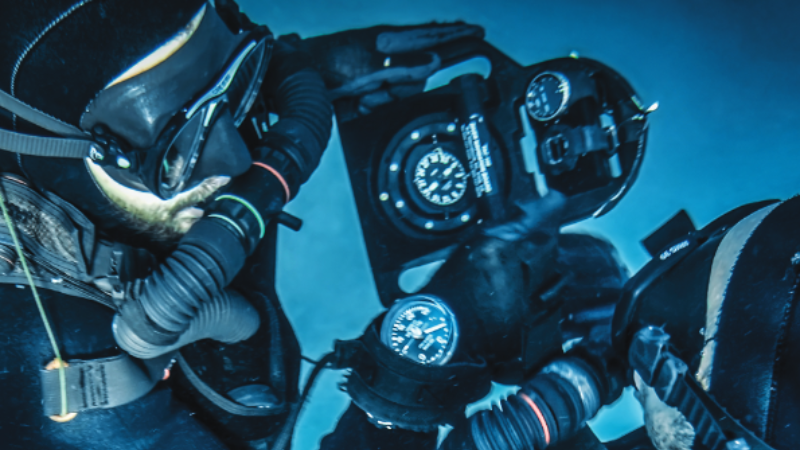
Through these Lines of Effort the Centre will promote a comprehensive approach to the underwater operating environment, leveraging the combined knowledge and experience of NATO, Allies and Partners — not only at military level but also from civil institutions, international organisations, industry and academia — to harness the power of innovation for the benefit of the Alliance.
Innovation & emerging technologies
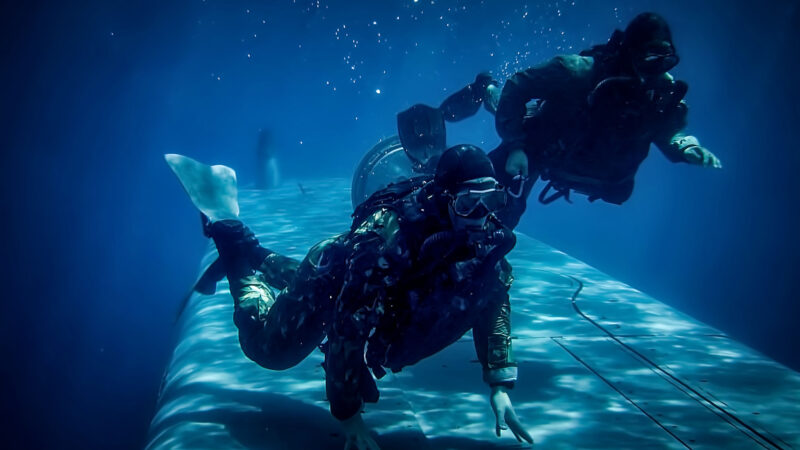
The Centre will analyse trends in emerging and disruptive technologies (EDTs) and their impact on NATO operations. This includes exploring the opportunities and challenges of artificial intelligence, unmanned systems, autonomous solutions and quantum processing — addressing not only technological and operational issues but also legal and ethical considerations.